Authenticity in Leadership: Why Being Your True Self Strengthens Workplace Culture
Michael Tucker
- posted on
- No Comment
“Fear of being shamed causes people to put on masks and live in fear and pretense, creating a stronghold of pride. Authentic, transparent leaders encourage people to develop trust through their own honesty and vulnerability. They do not view transparency as weakness, but recognize it as a source of their virtue, power and anointing because power flows through humility.” ― Laura Gagnon
Every one of us lives within our own personal “universe”—a space made up of experiences, responsibilities, relationships, and emotions that orbit around us like planets. These planets influence the ebb and flow of our daily lives, shaping the way we think, act, and respond to the world. And while we may see ourselves as separate individuals at work, the truth is simple: we all bring our universe with us.
Collision Inevitable
In any workplace, when multiple universes interact, those worlds inevitably collide. These collisions don’t always look dramatic, but they are felt—in tension, misunderstandings, elevated emotions, and rising stress. Each person’s orbit interacts with the orbits of others, creating a dynamic environment where personal and professional pressures blend together.
To cope with this complexity, many people come to work wearing a mask. It’s a protective façade designed to signal that everything is under control, even when the planets in their personal universe are in turmoil. This mask, though often well‑intentioned, pushes us out of alignment. It’s like swimming against a current—possible for a while, but unsustainable long‑term.
Negative Impacts
Over time, the mask cracks. When it does, the emotional strain becomes even heavier for the person wearing it, and it increases unrealistic expectations among colleagues who assume everything is fine. Stress, misunderstandings, and feelings of isolation begin to take root, ultimately weakening the team and workplace culture.
The most powerful antidote to this problem is authenticity.
Psychological Safety
Authenticity goes beyond simply “being yourself.” It means allowing others to see your genuine thoughts, emotions, and challenges without fear of judgment. It means operating from a place of truth rather than performance. When people feel safe enough to show who they really are, it creates a ripple effect of trust throughout the organization.
Being authentic reduces personal stress because it allows us to stop pretending. Instead of devoting energy to maintaining appearances, we can focus on our work, relationships, and well‑being. Authenticity also fosters support. When others see you navigating your challenges honestly, they recognize that they are not alone in their struggles. What once felt isolating suddenly becomes an opportunity for connection.
This openness often encourages colleagues to reach out, ask for help, or admit when they are overwhelmed. In these moments, authenticity becomes a bridge between people—a way to strengthen relationships and create healthier, more resilient teams.
As many organizations strive for organizational health, authenticity becomes even more important. Healthy organizations rely on trust, openness, and human connection. They cannot thrive in an environment where people feel pressure to hide behind masks or pretend everything is fine.
No Judgement Zone
For psychological safety to exist, the workplace must be a place where people feel safe revealing their true selves. This doesn’t mean sharing every detail of your life—it means allowing space for real conversations and genuine emotions. It means listening without judgment and acknowledging that everyone has planets in their orbit that affect how they move through the world.
Leaders, especially, play a critical role. When leaders model authenticity, they give their teams permission to do the same. When leaders share challenges, seek support, and demonstrate vulnerability, it sends a powerful message: humanity is not a weakness—it is a strength.
Culture
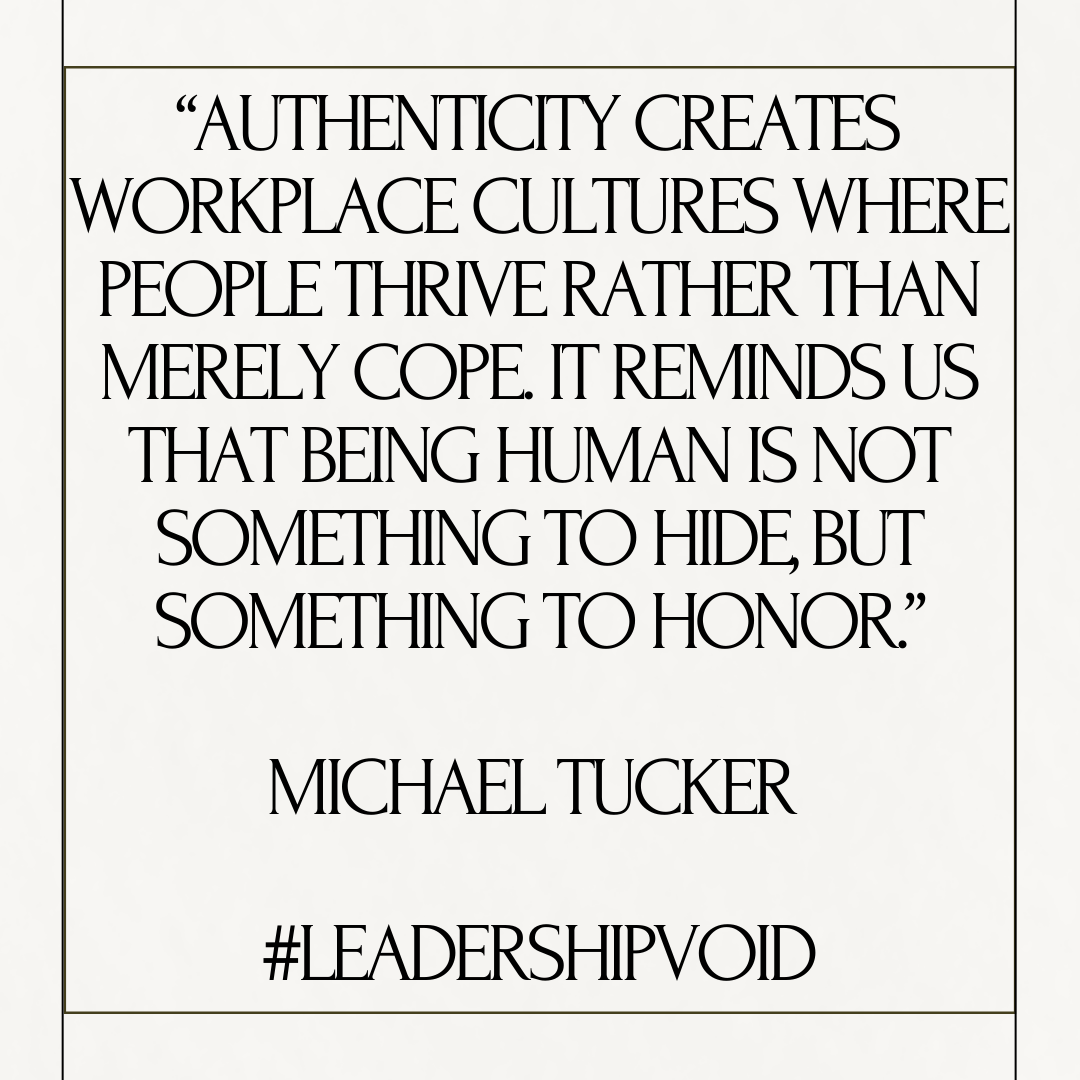
Authenticity creates workplace cultures where people thrive rather than merely cope. It transforms collisions of worlds into opportunities for understanding and growth. It reminds us that being human is not something to hide, but something to honor.
As you reflect on your own workplace and being a leader, consider how you can contribute to an authentic environment. Ask yourself: Do I allow others to see who I truly am? Do I make space for others to do the same? Authenticity begins with small, intentional acts—speaking truthfully, listening openly, supporting compassionately, and leading with empathy.
At the heart of every thriving organization are people who feel seen, valued, and supported. And that begins with being real.
“Highly sensitive people are too often perceived as weaklings or damaged goods. To feel intensely is not a symptom of weakness, it is the trademark of the truly alive and compassionate. It is not the empath who is broken, it is society that has become dysfunctional and emotionally disabled. There is no shame in expressing your authentic feelings. Those who are at times described as being a ‘hot mess’ or having ‘too many issues’ are the very fabric of what keeps the dream alive for a more caring, humane world. Never be ashamed to let your tears shine a light in this world.” ― Anthon St. Maarten
Discover more from Leadership Void
Subscribe to get the latest posts sent to your email.